
12-Week Oncology Nutrition Program
Cancer Survivorship Program
Personalised nutrition support throughout cancer treatment
Cancer treatment can change your nutritional needs from week to week.
The Cancer Survivorship Program provides 12 weeks of personalised oncology nutrition support designed to evolve alongside your treatment, helping you navigate food, symptoms, nutritional status and supplements with greater confidence.
See what’s included:
Why Ongoing Support?
Your nutrition needs may change throughout treatment
At the beginning of cancer treatment, you may be eating normally and feeling relatively well.
A few weeks later, your priorities may look completely different.
Your appetite may change. Foods may taste different. Your bowels may change. Fatigue may increase. Your weight may move up or down. Your treatment or medications may change.
And questions about supplements often arise along the way.
That's why the Cancer Survivorship Program isn't based around a single nutrition plan.
Over 12 weeks, your recommendations can evolve as your treatment and nutritional needs change.
Who is this Program for?
Is the Cancer Survivorship Program right for me?
The program is designed for adults who are currently undergoing cancer treatment and want personalised nutrition support alongside their medical care.
You may be:
preparing for surgery or systemic treatment
undergoing chemotherapy
receiving radiation therapy
receiving immunotherapy
taking targeted therapies
commencing endocrine therapy
receiving a combination of treatments
experiencing treatment-related nutritional symptoms
concerned about maintaining weight or muscle
gaining weight during treatment
confused about what you should and shouldn't eat
unsure whether your supplements are safe
wanting a more proactive approach to nutrition during treatment
You don't need to wait until you're struggling to eat or experiencing significant symptoms.
Nutrition support can also be proactive.

What We May Work On
Personalised to your treatment, symptoms and priorities
There is no single "cancer diet" and there is no standard Cancer Survivorship Program plan.
Depending on your individual circumstances, our work together may include:
Meeting your nutritional needs
Ensuring you're getting adequate energy, protein and nutrients to support nutritional status during treatment.
Maintaining muscle & strength
Supporting adequate protein intake and working alongside appropriate physical activity recommendations to help preserve muscle and physical function.
Managing weight changes
Responding appropriately to unintended weight loss or treatment-related weight gain rather than assuming everyone with cancer has the same weight-management goal.
Treatment-related symptoms
Adapting nutrition around symptoms such as appetite changes, nausea, taste changes, constipation, diarrhoea and digestive discomfort.
Metabolic health
Considering blood glucose, lipids and other cardiometabolic factors where relevant, particularly during longer-term treatments.
Bone health
Addressing relevant nutritional considerations for bone health, particularly where menopause or endocrine therapy may affect bone density.
Pathology
Reviewing relevant pathology in the context of your treatment, diet and symptoms.
Supplements
Reviewing your existing supplements for relevance, dose, duplication and potential treatment or medication interactions.
Lifestyle
Considering areas such as physical activity, resistance training, hydration, sleep and other relevant lifestyle factors alongside nutrition.
Food First

You don't need a restrictive cancer diet
Cancer nutrition can become overwhelming very quickly.
Should you stop eating sugar?
Avoid soy?
Give up dairy?
Fast around chemotherapy?
Go ketogenic?
Start juicing?
Take antioxidants?
Often the loudest nutrition advice isn't the most useful.
Your nutritional needs depend on your cancer, treatment, symptoms, nutritional status and overall health.
My role is to help you distinguish between recommendations supported by evidence and those that may be unnecessary, overly restrictive or inappropriate for you.
Food remains the foundation of my approach.
Supplement Safety
What about supplements during treatment?
This deserves particular attention during cancer treatment.
It's common to arrive at a consultation taking supplements recommended by friends, social media, online cancer groups or other practitioners.
That doesn't automatically mean they're unsafe, but they do need context.
For each supplement, I consider:
why you're taking it
the available evidence
dose and formulation
your cancer treatment
your medications
potential interactions
treatment timing
your pathology
your nutritional status
Where a supplement doesn't have a clear rationale, I'll tell you that too.
The aim isn't to create the longest possible supplement prescription.
It's to use nutritional supplementation thoughtfully and safely where appropriate.
Pathology
Your blood results can add another piece to the picture
Where relevant, your pathology can help us understand your nutritional and metabolic health during treatment.
Depending on your individual circumstances, this may include consideration of areas such as:
iron status
vitamin B12 and folate
vitamin D
glucose and metabolic markers
lipids
relevant liver and kidney markers
other nutritional markers where clinically appropriate
Nutrition assessment doesn't replace medical investigation.
If something requires further assessment, I may recommend that you discuss this with your GP or oncology team.
What’s Included
12-weeks of personalised oncology nutrition support
Comprehensive Initial Consultation
We start by looking at the whole picture:
cancer diagnosis and treatment
medical history
medications
pathology
current diet
supplements
symptoms
weight and body composition history
activity
your concerns and priorities
Personalised Nutrition & Lifestyle Plan
You'll receive clear, practical recommendations based on what matters most for you at that point in treatment.
Pathology Review
Relevant existing pathology is considered as part of your nutritional assessment.
Supplement Review
We'll review what you're currently taking and assess its relevance and suitability alongside your treatment.
Follow-Up Consultations
Your plan can be reviewed and adapted as your treatment, symptoms and nutritional requirements change.
Practical Resources
You'll receive relevant recipes, guides and resources to help make your recommendations easier to implement.
Collaborative Care
With your consent, I can communicate with your GP, oncologist or other members of your healthcare team where clinically appropriate.
Between-Consultation Support
Email and WhatsApp support throughout the 12-week Program.
What 12 weeks can look like
Support that moves with you

Weeks 1-2
Understand your treatment, current nutritional status, diet, symptoms, pathology and supplements.
Identify your immediate priorities and establish your initial nutrition strategy.
Assess & Prioritise

Weeks 3-6
Review how you're responding to treatment.
Adjust nutrition around symptoms, appetite, bowel changes, weight, energy and other emerging needs.
AdaptWeeks 11-12
Plan AheadReview your progress and establish priorities for the next stage of treatment or transition into post-treatment care.
If you're approaching the end of active treatment, we can also discuss what your longer-term survivorship priorities may look like.

BuildWeeks 7-10
Continue adapting your plan while looking beyond immediate symptoms to areas such as protein, muscle, metabolic health, bone health and dietary quality where appropriate.
Working with your health care team
Part of your care, not an alternative to it
The Cancer Survivorship Program is designed to work alongside conventional cancer treatment.
It does not replace your oncologist, GP, oncology dietitian or other members of your healthcare team.
Where appropriate and with your consent, I can communicate with your treating practitioners about nutritional concerns, pathology or supplement recommendations.
If your nutritional needs require specialist medical or dietetic management outside my scope of practice, I will recommend appropriate additional care.
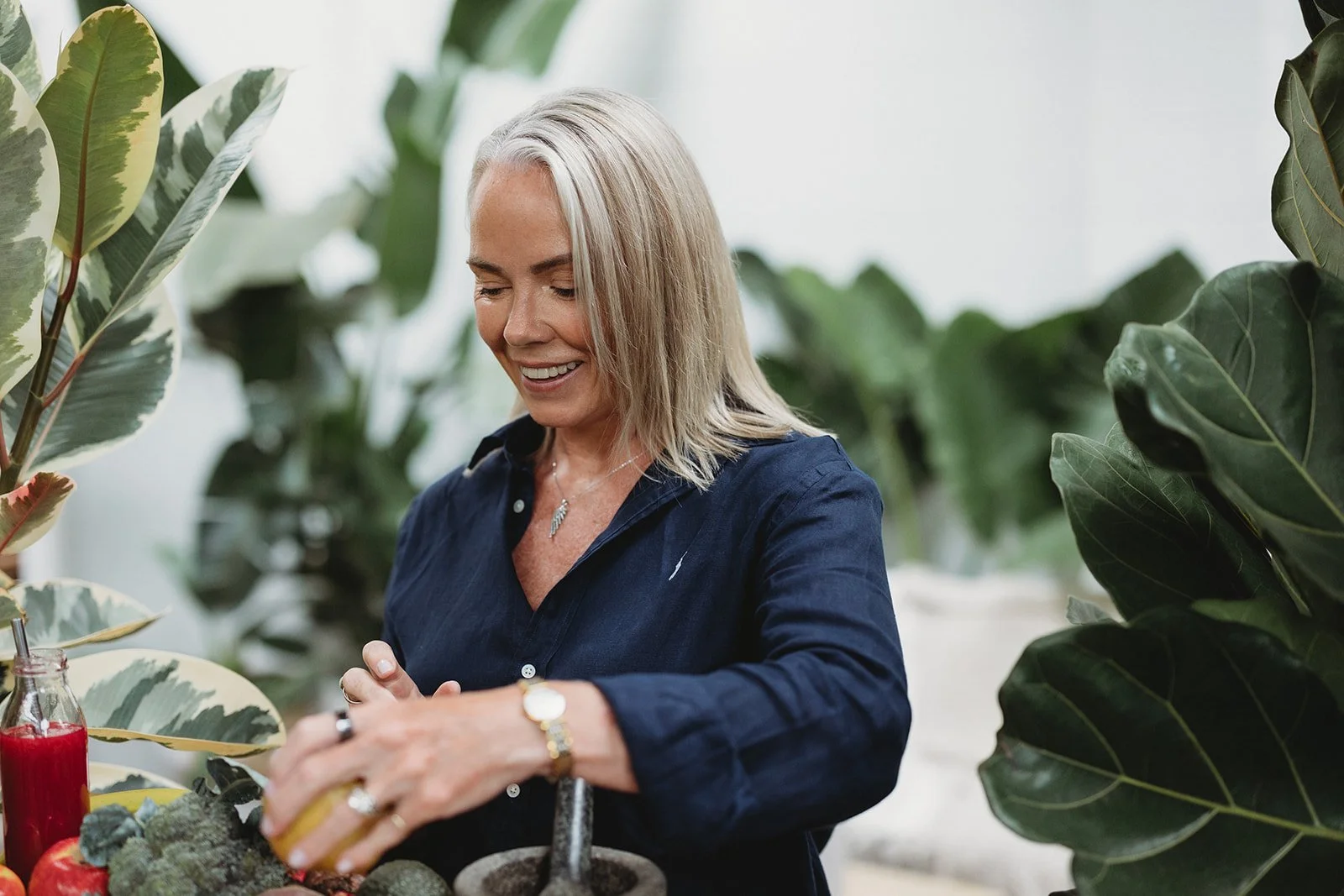
About Lisa

Cancer survivorship is a particular focus of my work
I'm Lisa Hanlon, a degree-qualified Clinical Nutritionist with advanced training in integrative oncology.
I support people during and after cancer treatment using an evidence-informed approach that considers nutrition, treatment, pathology, symptoms, supplements and longer-term health.
My Master of Research at Western Sydney University investigates models of care for preventing and managing weight gain following breast cancer, reflecting my particular interest in improving nutrition and health support across the cancer continuum.
Investment
Cancer Survivorship Program
12-weeks months of personalised oncology nutrition support
$1,500 (Payment Plan Option available.)
Your program includes:
Comprehensive initial consultation
Personalised nutrition and lifestyle plan
5 fortnightly follow-up consultations
Pathology review
Supplement review
Practical resources
Between-consultation support
Collaborative communication with your healthcare team where appropriate
Payment Plan Available
Please contact Lisa for details.
Not sure whether you need a program?
We can discuss where you are in treatment, what you're looking for and whether the Cancer Survivorship Program is the right fit.
Frequently Asked Questions
-
You can begin before treatment starts or at any point during treatment.
You don't need to wait until you're experiencing side effects or having difficulty eating.
-
No. We'll start with where you are now and develop your recommendations around your current treatment and nutritional needs.
-
I work with adults affected by a range of cancers.
If you require specialist nutritional or medical management outside my scope of practice, I'll recommend appropriate additional care.
-
No. The program can be proactive as well as supportive when symptoms occur.
-
Only where there is a clear clinical rationale.
The first step is reviewing what you're already taking, your diet, pathology, treatment and medications.
Sometimes the recommendation may be to stop or simplify supplements rather than add more.
-
No. Dietitians play an important role in cancer care, particularly where someone has complex nutritional requirements, malnutrition, enteral feeding or other needs requiring specialist dietetic management.
My role is complementary, and I refer or collaborate where appropriate.
-
Yes, with your consent and where clinically appropriate.
-
We'll review where you are in treatment and what support you need next.
Some clients may require occasional follow-up support.
If you've completed active treatment and want more comprehensive longer-term survivorship support, the Thrive Beyond Cancer Program may be an appropriate next step.
-
Consultations are available in person Next Practice Parramatta and via telehealth Australia-wide.
