Personalised Oncology Nutrition
Nutrition During Cancer Treatment


Cancer treatment can change what your body needs and sometimes what you're able to eat.
Personalised nutrition support can help you maintain nutritional status, manage treatment-related symptoms and navigate questions about food and supplements while you undergo treatment.

You Don’t Need A Perfect ‘Cancer Diet’
What should I eat during cancer treatment?
It's one of the first questions many people ask after a cancer diagnosis and unfortunately, it's also an area filled with conflicting advice.
You may have been told to eliminate sugar, avoid particular foods, follow a restrictive diet, fast around treatment or start taking multiple supplements.
The reality is more individual.
Your nutritional priorities depend on factors including your cancer, treatment, symptoms, weight and body composition, appetite, medical history and nutritional status.
For some people, maintaining weight and getting enough protein and energy is the immediate priority. For others, managing treatment-related symptoms, maintaining muscle or addressing metabolic health may require greater attention.
My role is to help you focus on what is relevant to you, without unnecessary restriction or fear around food.
How Nutrition Support Can Help
Maintaining nutrition and strengthTreatment can make it more difficult to meet your energy and protein requirements.
Your nutrition plan can be adjusted to help maintain nutritional status, weight and muscle where appropriate.
Diarrhoea and constipationChemotherapy, radiation, medications and changes in activity or food intake can all affect bowel function.
Nutrition can be adjusted according to what is happening at each stage of treatment.
Appetite & taste changesChanges in appetite, taste or smell can make previously enjoyable foods difficult to tolerate.
Practical strategies can help you continue meeting your nutritional needs when eating becomes challenging.
FatigueFatigue during cancer treatment is often multifactorial.
Adequate nutrition, hydration, protein intake and identification of relevant nutritional deficiencies may form part of a broader approach to supporting energy and recovery.
Nausea and digestive symptomsNutrition strategies can be adapted around nausea, reflux, bloating and other digestive symptoms.
Weight changesCancer treatment can result in weight loss for some people and weight gain for others.
The goal isn't automatically weight loss or weight maintenance, it's determining what is clinically appropriate for you at that stage of treatment.
Support That Evolves With Your Treatment
Different treatments can create different nutritional priorities
Your nutrition plan shouldn't remain static while your treatment changes.
Chemotherapy: Support may focus on maintaining adequate nutrition, managing gastrointestinal symptoms, appetite and taste changes, hydration and supplement safety.
Radiation therapy: Nutritional priorities depend considerably on the area being treated and may change throughout the course of radiation.
Surgery: Nutrition before and after surgery can focus on adequate energy and protein intake, nutritional status and supporting healing and recovery.
Immunotherapy: Nutrition support can help maintain nutritional adequacy and respond to symptoms.
Targeted therapy: Different targeted therapies have different side-effect and interaction profiles, making individual assessment particularly important.
Endocrine therapy: Longer-term endocrine treatments can introduce different considerations, including body composition, metabolic health, cardiovascular health and bone health.
Supplements During Cancer Treatment
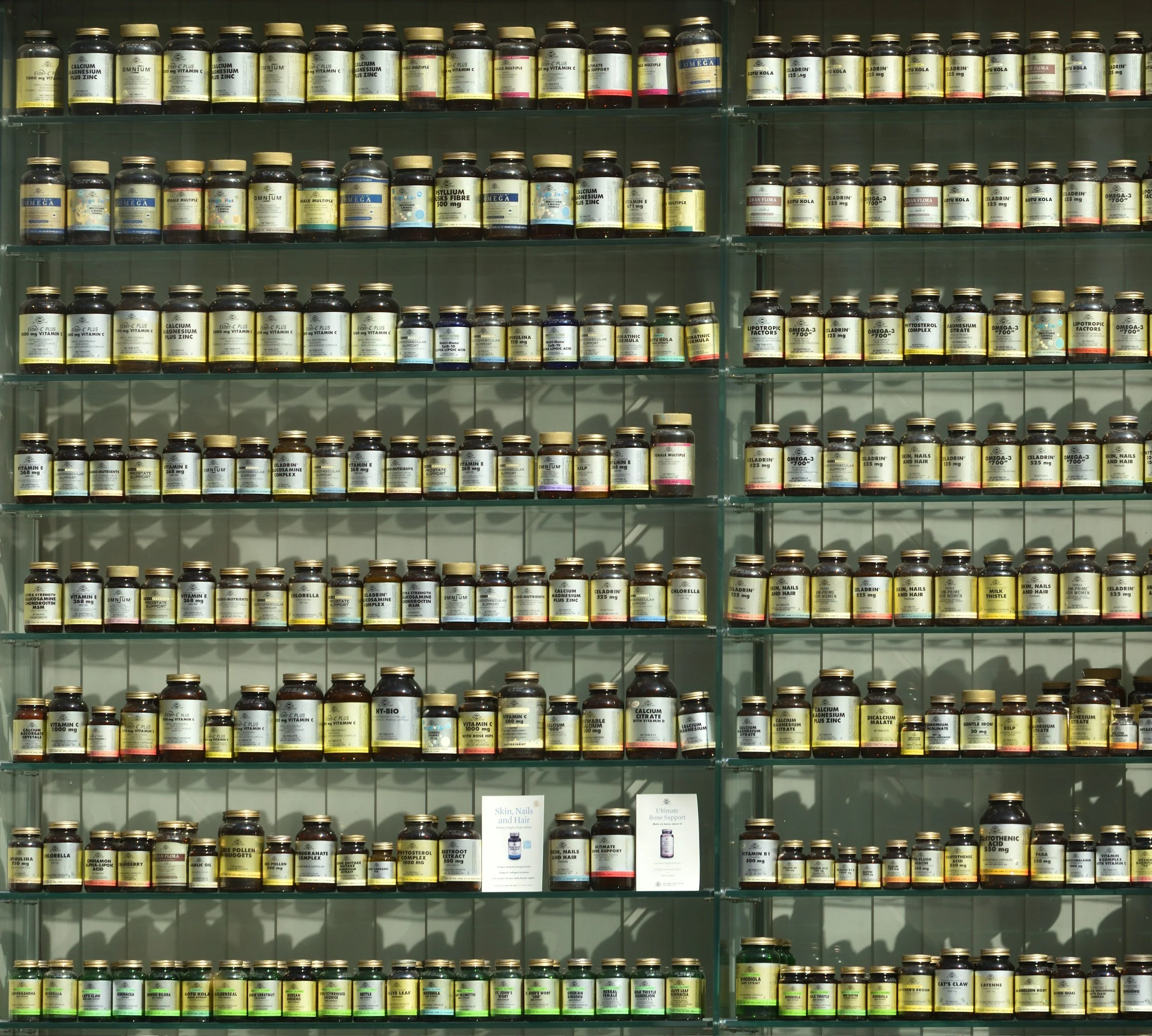
‘Natural’ doesn't automatically mean safe during treatment
This is one of the areas where personalised oncology nutrition can be particularly valuable.
After a cancer diagnosis, people are often recommended supplements by friends, family, social media, online forums or complementary practitioners.
Some may be appropriate. Others may be unnecessary, incorrectly dosed or potentially interact with cancer treatment or other medications.
I review supplements in the context of:
your cancer treatment and medications
the reason for taking the supplement
available evidence
dose and formulation
potential interactions
treatment timing
your pathology and nutritional status
My approach is not to prescribe as many supplements as possible.
Food remains the foundation, with supplements used strategically where there is a clear clinical rationale.
Looking Beyond What’s On Your Plate
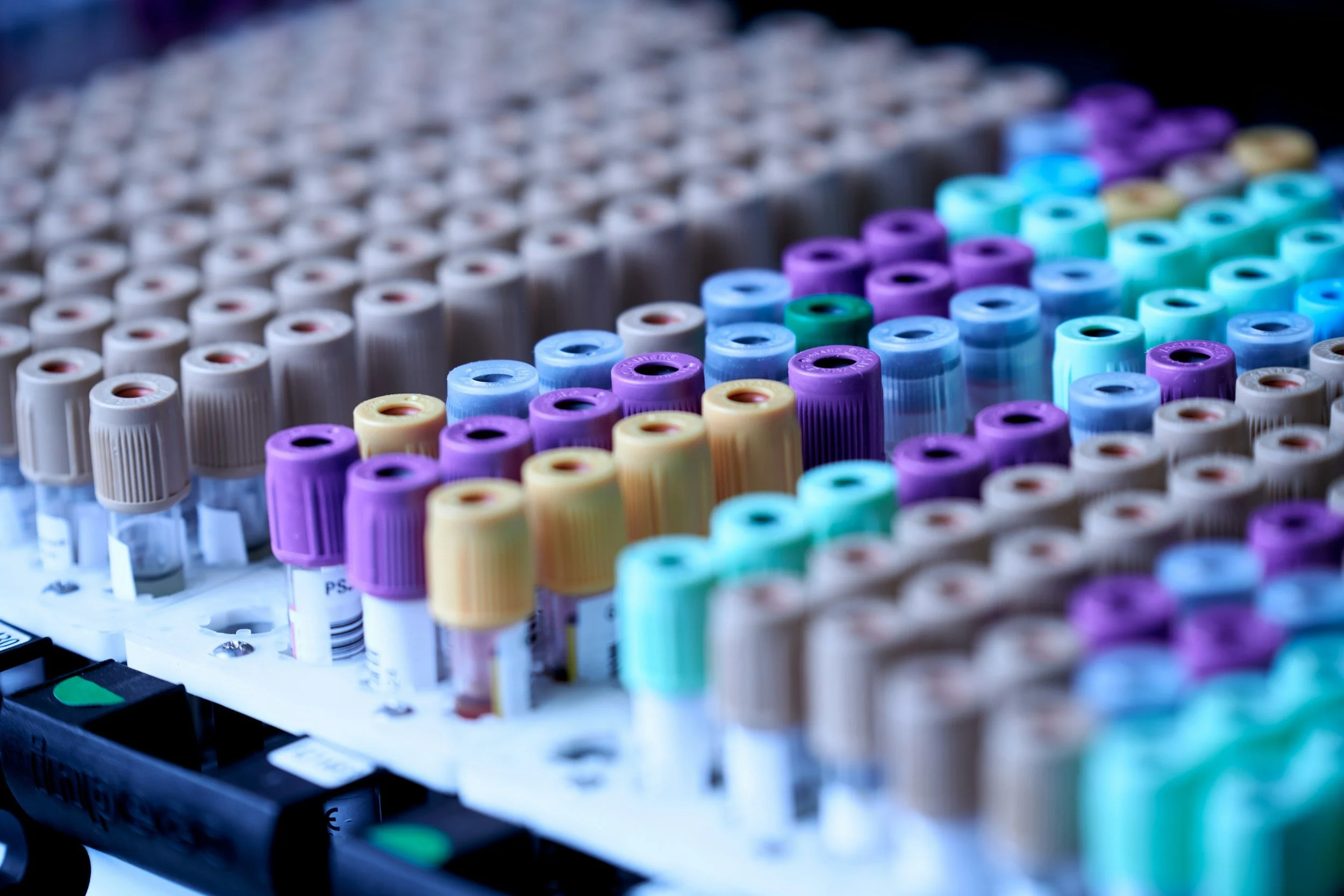
Nutrition care can also include reviewing relevant pathology in the context of your diet, symptoms, treatment and medical history.
Depending on your individual circumstances, this may include consideration of areas such as:
iron status
vitamin B12 and folate
vitamin D
blood glucose and metabolic markers
lipids
relevant liver and kidney markers
other nutritional markers where clinically indicated
Where further medical investigation is appropriate, I may recommend discussing this with your GP or treating team.
Nutrition care that complements your treatment
Nutrition support should work alongside your medical care, never compete with it.
With your consent, I can communicate with your oncologist, GP or other healthcare practitioners where appropriate.
This can be particularly useful when there are nutritional concerns, abnormal pathology results, significant symptoms or questions regarding supplements and treatment interactions.
Working With Your Oncology Team

About Lisa
I'm Lisa Hanlon, a degree-qualified Clinical Nutritionist with advanced training in integrative oncology.
I support people during and after cancer treatment using an evidence-informed approach that considers nutrition, pathology, symptoms, medications, supplements and longer-term health.
My Master of Research at Western Sydney University focused on improving care for the prevention and management of weight gain following breast cancer, with a particular focus on cancer survivorship and primary care.
Personalised support throughout treatment
-
Cancer treatment can change from week to week and your nutrition support may need to change with it.
The 12-week Cancer Survivorship Program provides ongoing personalised support for people undergoing cancer treatment rather than leaving you to implement a one-off nutrition plan on your own.
Your support can evolve as your treatment, symptoms, pathology, appetite and nutritional needs change.
-
comprehensive initial nutrition assessment
personalised nutrition and lifestyle recommendations
review of relevant pathology
supplement and medication interaction review
strategies for treatment-related symptoms
5 fortnightly follow-up consultations
ongoing support throughout the 12 weeks
communication with your healthcare team where appropriate
access to a library of practical resources to support you between consultations
Your Questions, Answered
-
No. Nutrition support can and should ideally begin before or early in treatment.
Assessing your current diet, nutritional status and supplements before significant treatment-related problems develop can be useful, particularly if your treatment is expected to affect appetite, digestion or nutritional requirements.
-
Not necessarily.
Whether intentional weight loss is appropriate during treatment depends on your cancer, treatment, nutritional status, body composition and overall health.
Preserving adequate nutrition and muscle is an important consideration, so weight management during treatment should be individualised.
-
You don't need to eliminate all sugar or carbohydrates because you have cancer.
Overly restrictive diets can make meeting nutritional requirements more difficult, particularly during treatment.
The overall quality and pattern of your diet is generally much more useful to consider than fearing individual foods.
-
Possibly, but they should be assessed individually.
The safety and appropriateness of a supplement depends on the specific treatment, medication, nutrient, dose and reason for taking it.
-
Yes.
Nutrition support can begin at any stage. Your recommendations will be based on where you are now rather than where you were at diagnosis.
-
I work with adults affected by a range of cancers. If your nutritional needs require specialist dietetic or medical management outside my scope of practice, I will recommend the appropriate additional care.
-
Consultations are available in person at Next Practice Parramatta and via telehealth Australia-wide.
Get Personalised Nutrition Support During Treatment
You don't have to work out what to eat, which supplements are safe or how to respond to changing nutritional needs on your own.
Let's develop a plan that works alongside your treatment and adapts as your needs change.